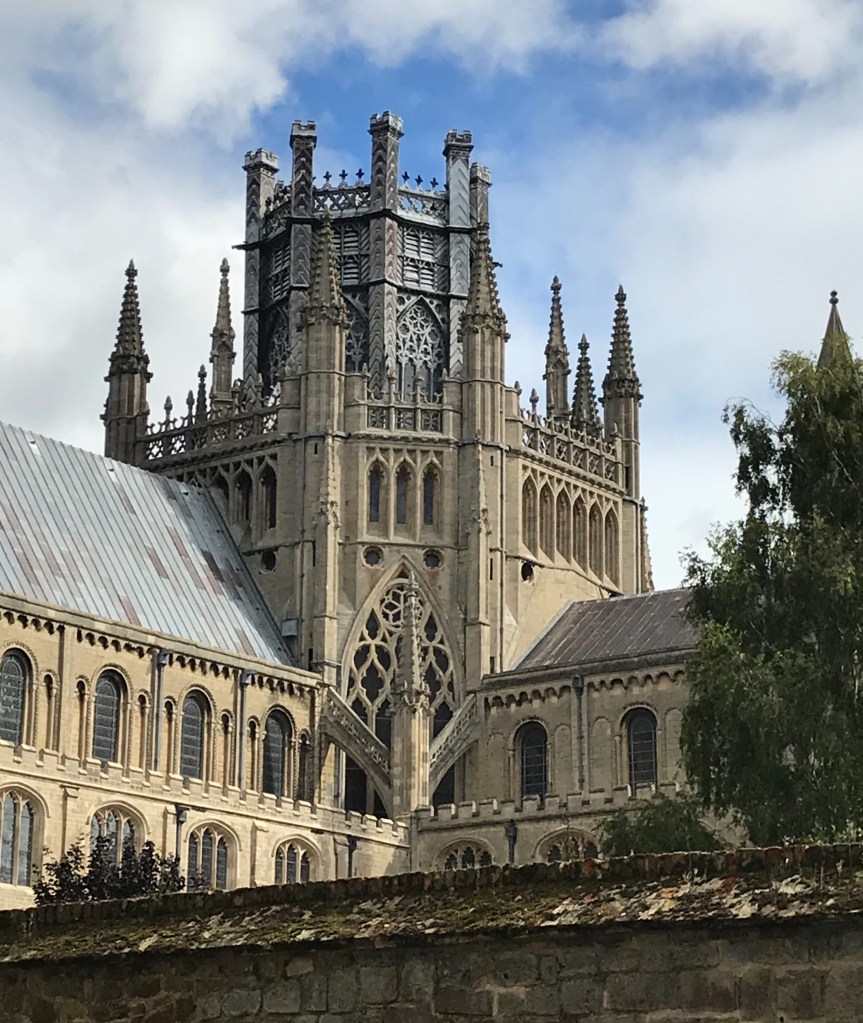
Back on the Railcard today and it’s a Friday in late September.
We set out on the train to Ely – that is after we got the infernal ticket machine to work at the station. It didn’t want to play ball, taking ages to “load up” and decide to work!
Once we got to Ely, we walked by the river and picked up the Eel Trail near the Jubilee Gardens. There is a guide to this which you can pick up from the Tourist Information Centre at Oliver Cromwell House http://www.visitely.org.uk/visitor-information/tourist-information-centre/ which incidentally is No 1 on the Eel Trail map of places to see. Once you see the guide you will note we picked it up at No 17 – sounds about right for us – we never do things in the order suggested!!
The Eel Trail takes you through the heritage and architecture in Ely that shows it’s close links with the Eel. Eels were a major part of the local diet and are still caught today.
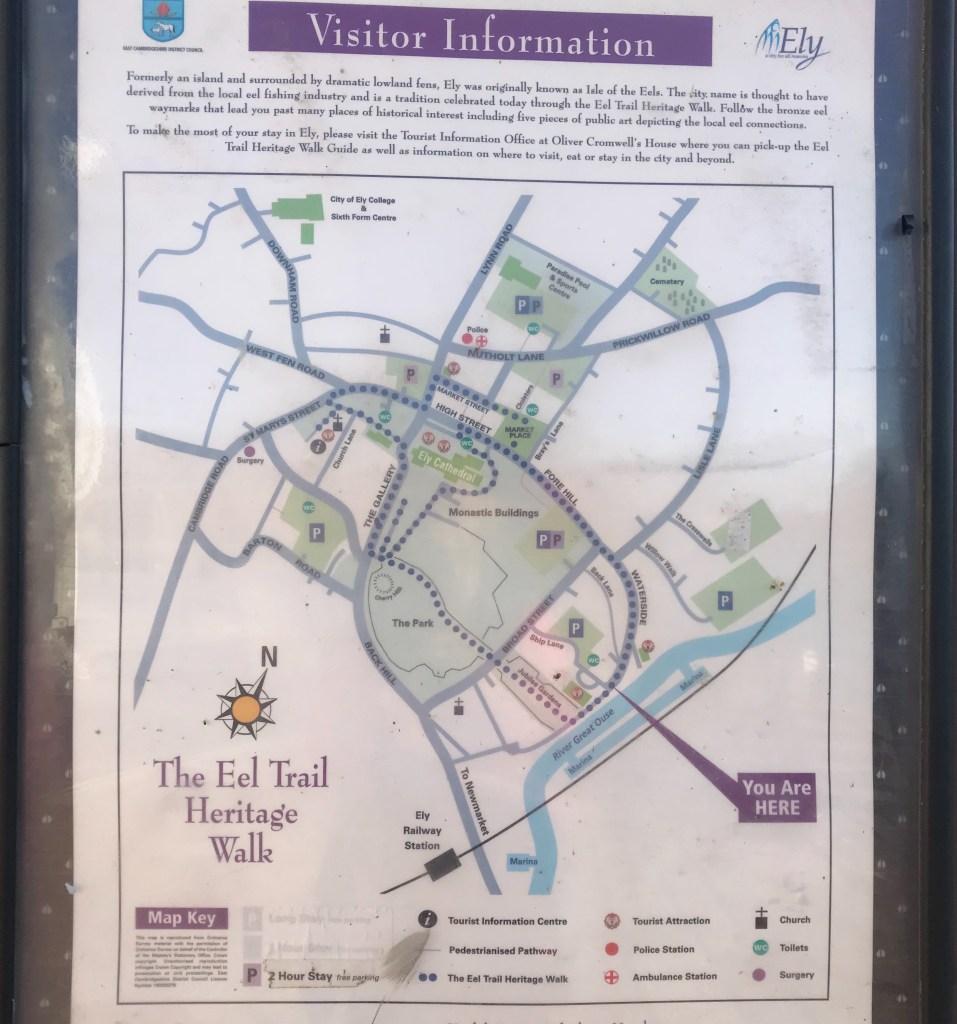
From Jubilee Gardens we walked along the river and up Fore Hill. Must be time for refreshments – isn’t it always? We found The Samovar Tearooms halfway up Fore Hill. http://www.samovarteahouse.co.uk
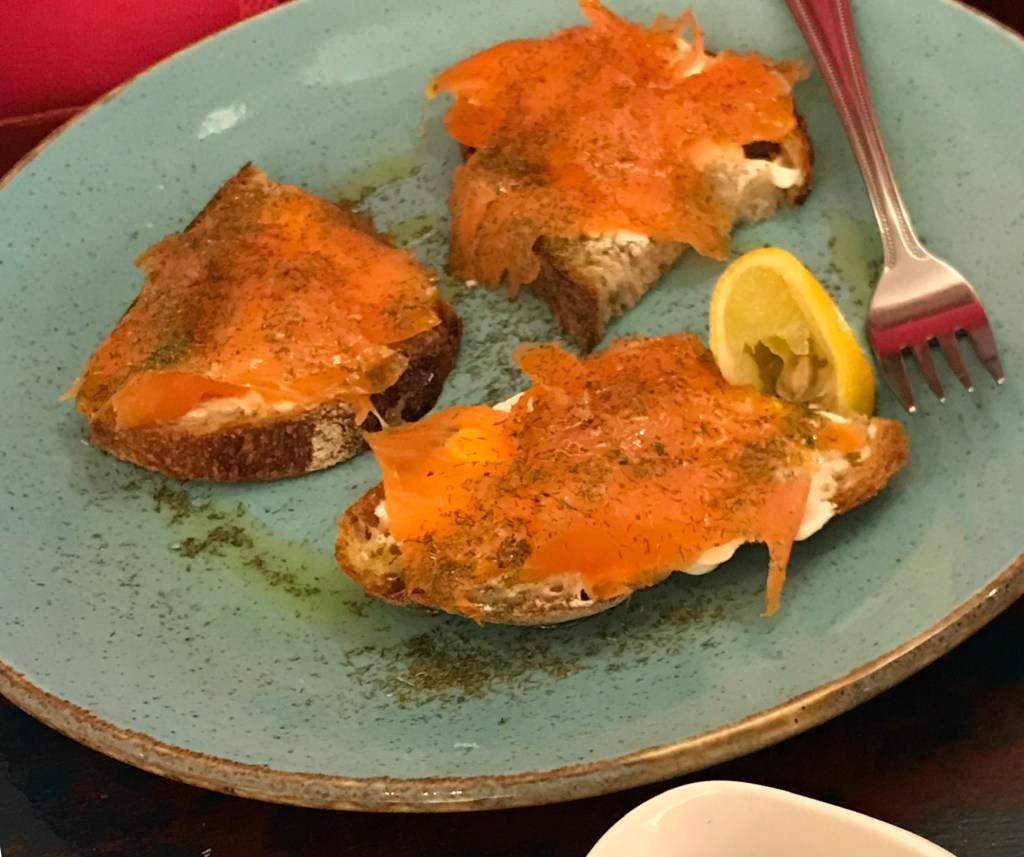
Tea was chosen from an extensive tea menu and we both opted for sourdough toast with smoked salmon which was delicious and very reasonably priced at £5.50. Tea was extra, around £2.50/£3.00 average per pot of tea ( from which there were easily two or three cups). So, not expensive, a quirky decor and friendly atmosphere – we’ll go again.
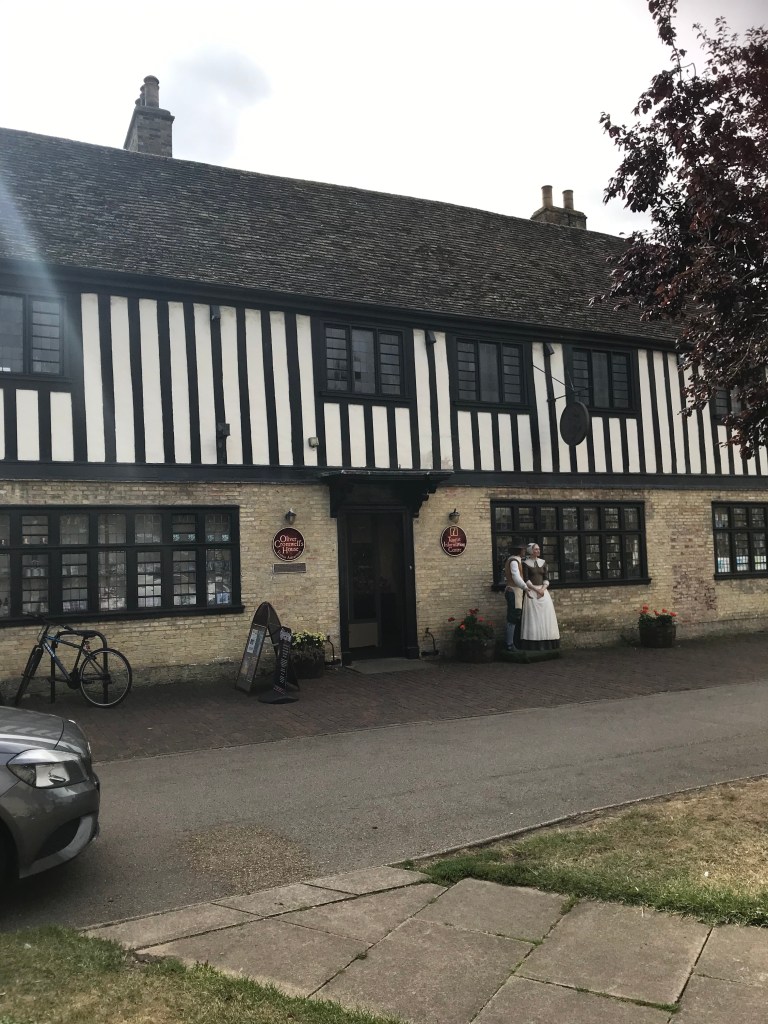
Following the Eel Trail around the market place and into the city centre we wandered on to The Tourist Information Centre. We didn’t have time to go around Oliver Cromwell House today, as there was a private tour taking place, but had a good look around the centre which was full of local interest books and gifts to buy. We spoke to Lin who was pleasant, welcoming and chatty. We both felt they were pleased to see us and welcome us to their city.
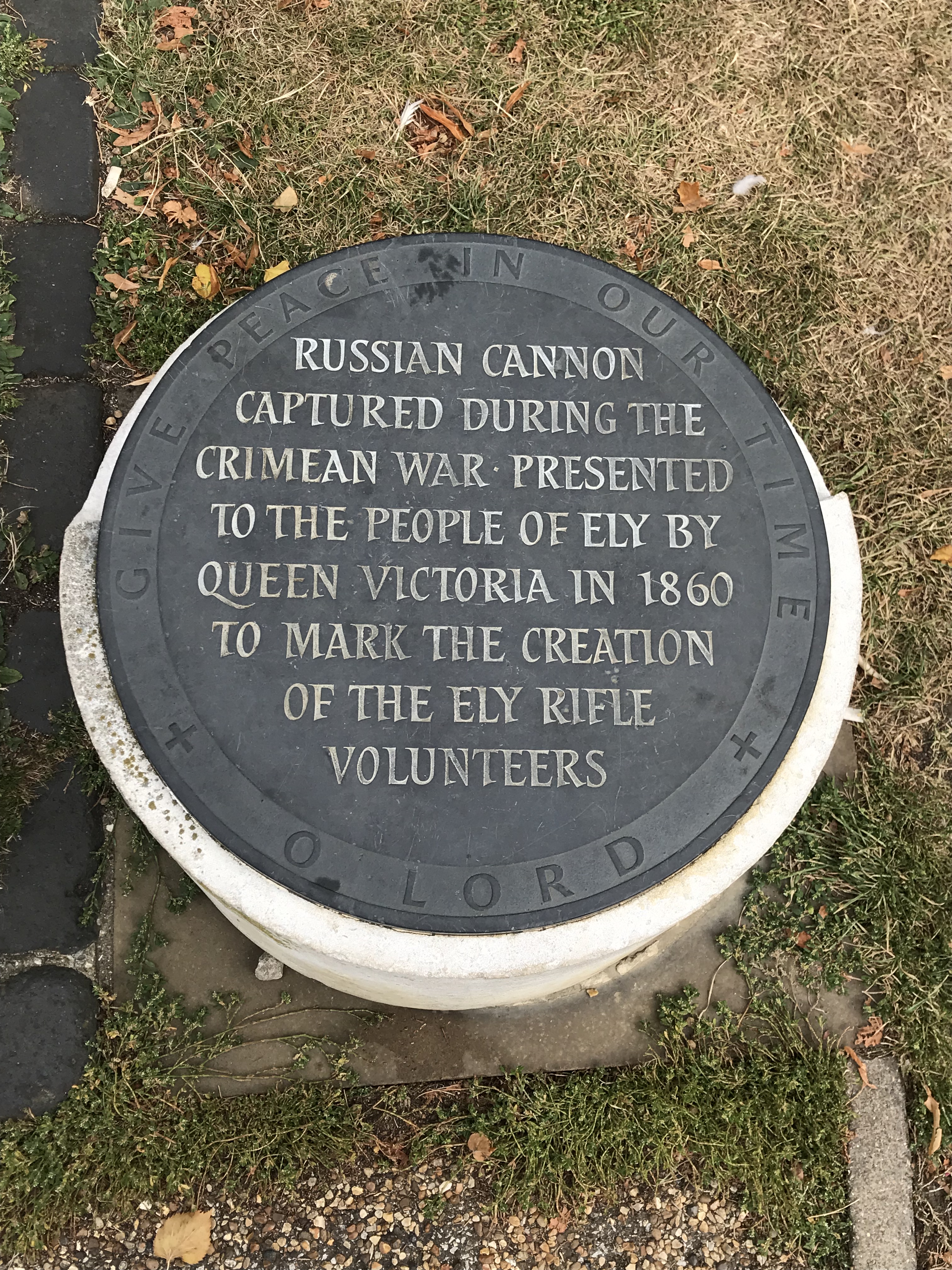
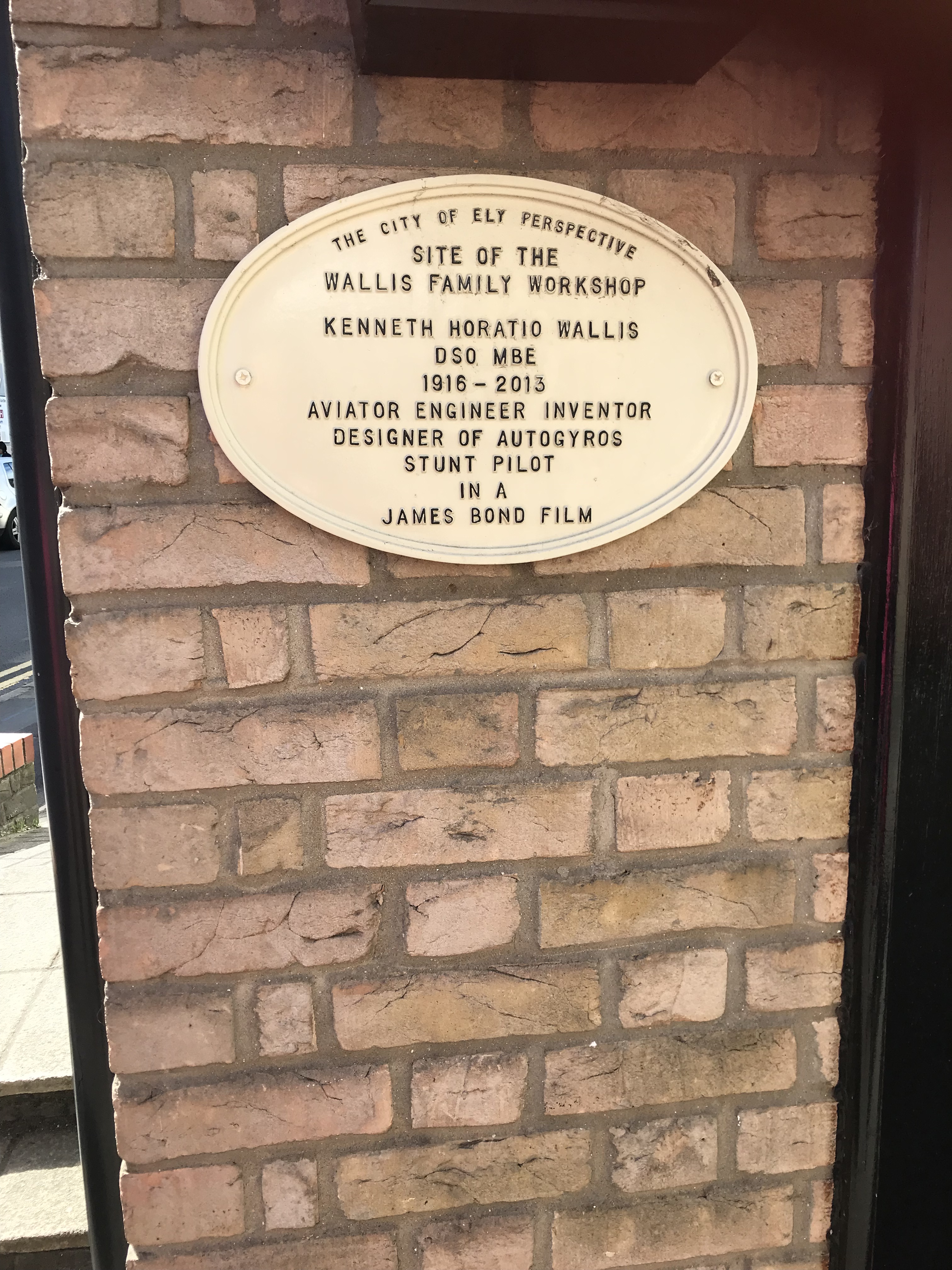
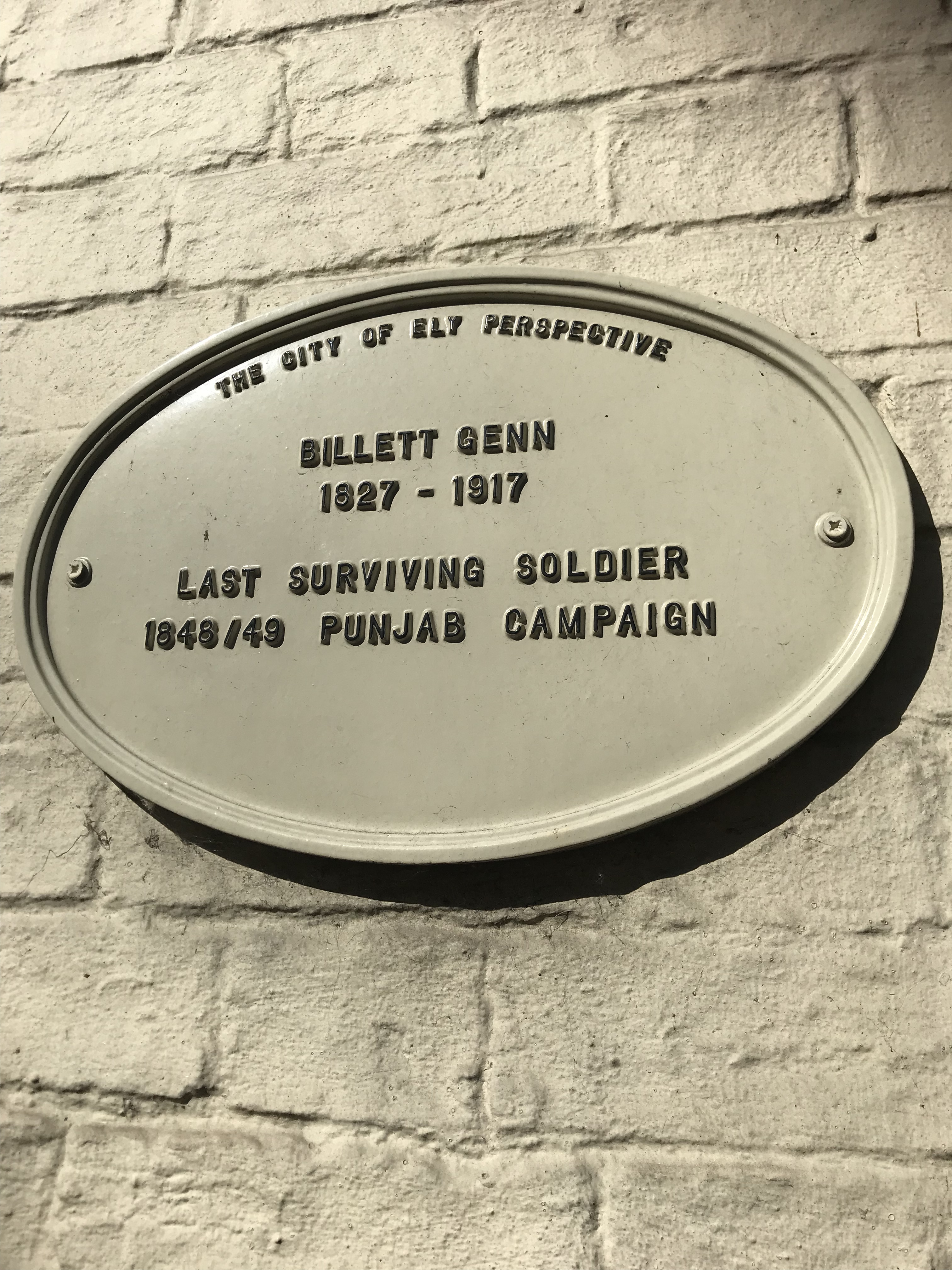
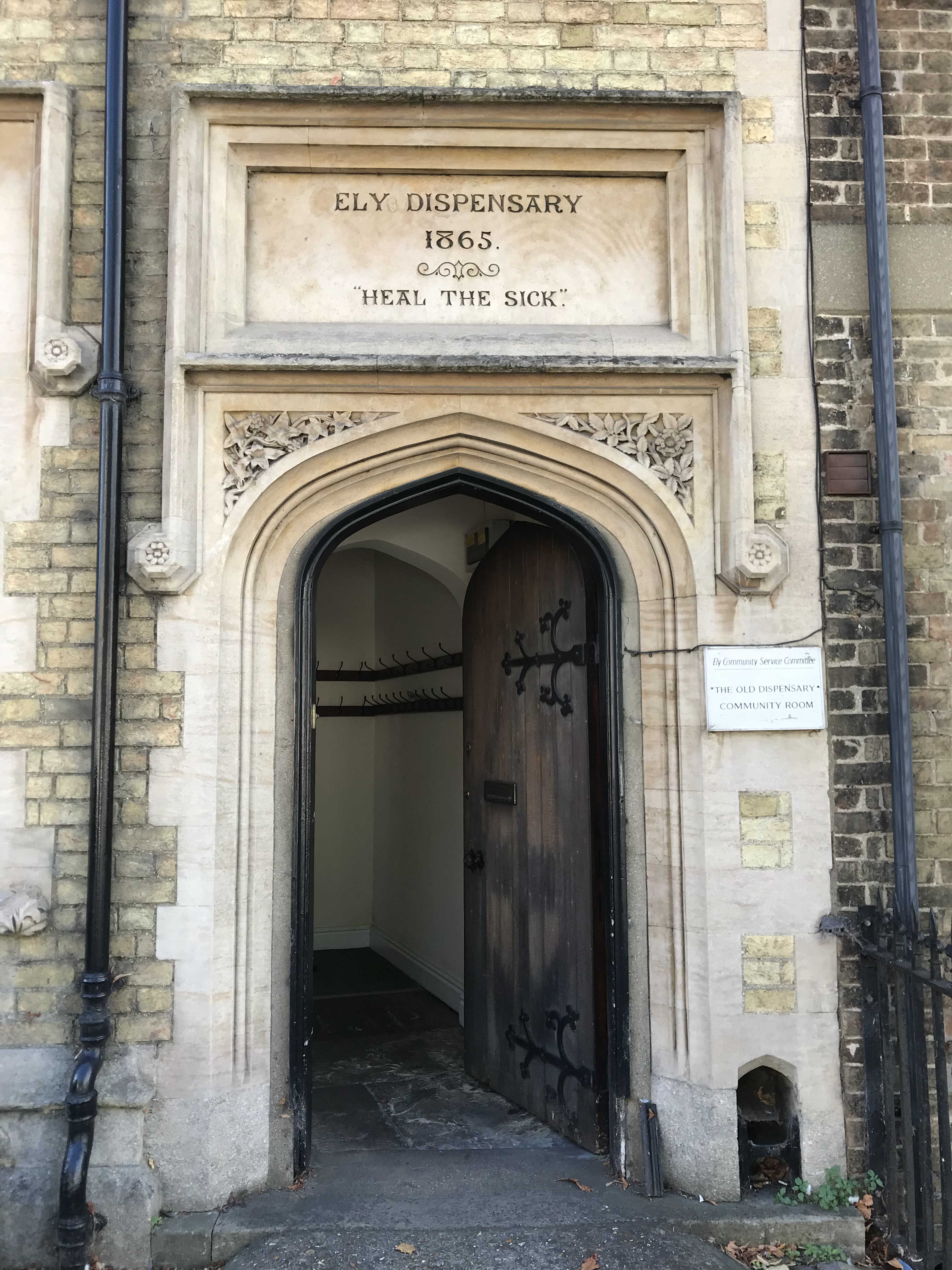
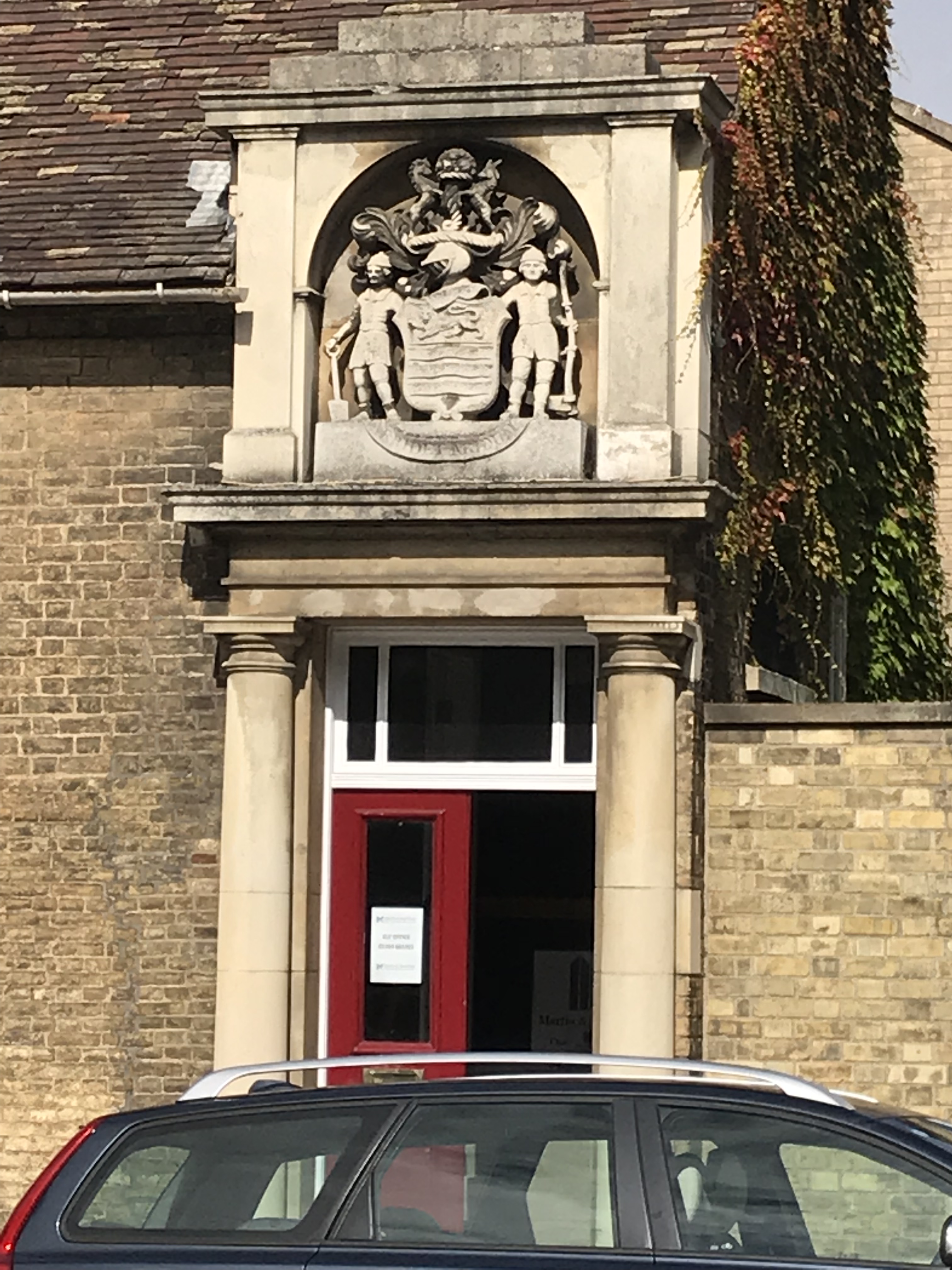
Walking through Ely there are many plaques to take note of.
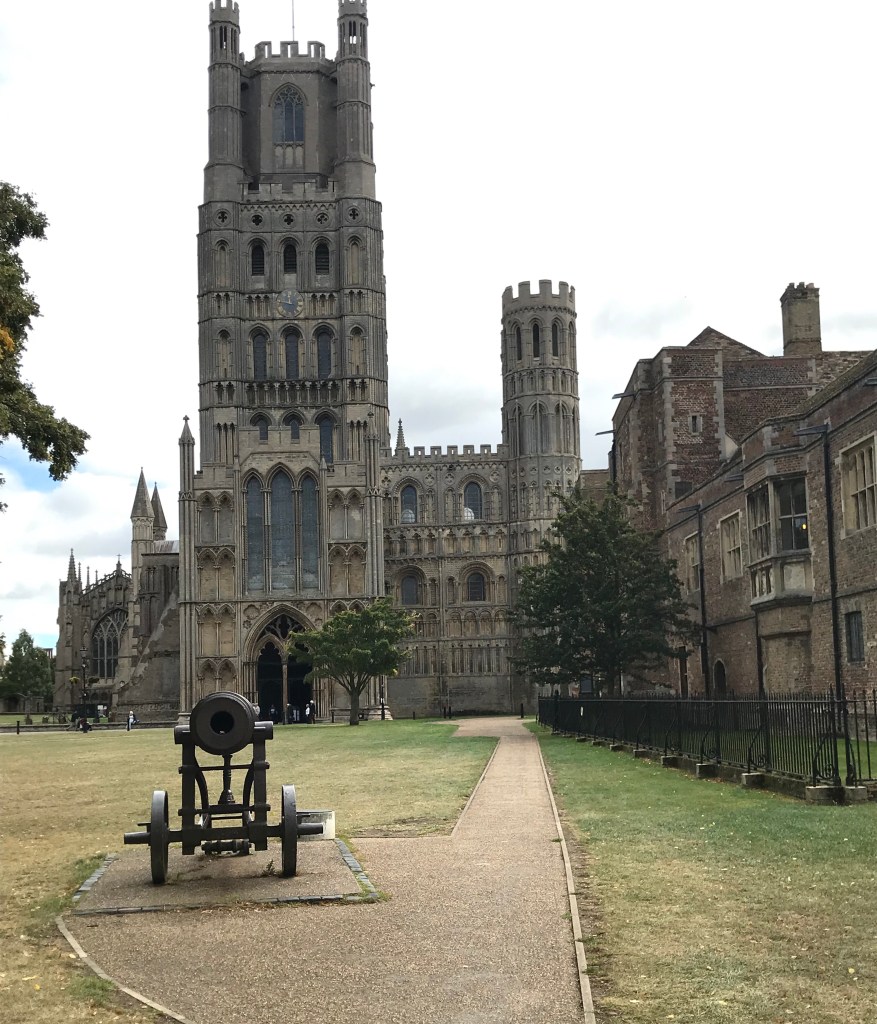
The inscription for the cannon on the green outside Ely Cathedral placed there after the Crimean War.
The Dispensary stone, marking the entrance to the old Ely Dispensary built in 1865.
Kenneth Wallis, born in Ely, died in Dereham. He flew 28 bomber missions during the Second World War, later becoming one of the leading experts in autogyros.
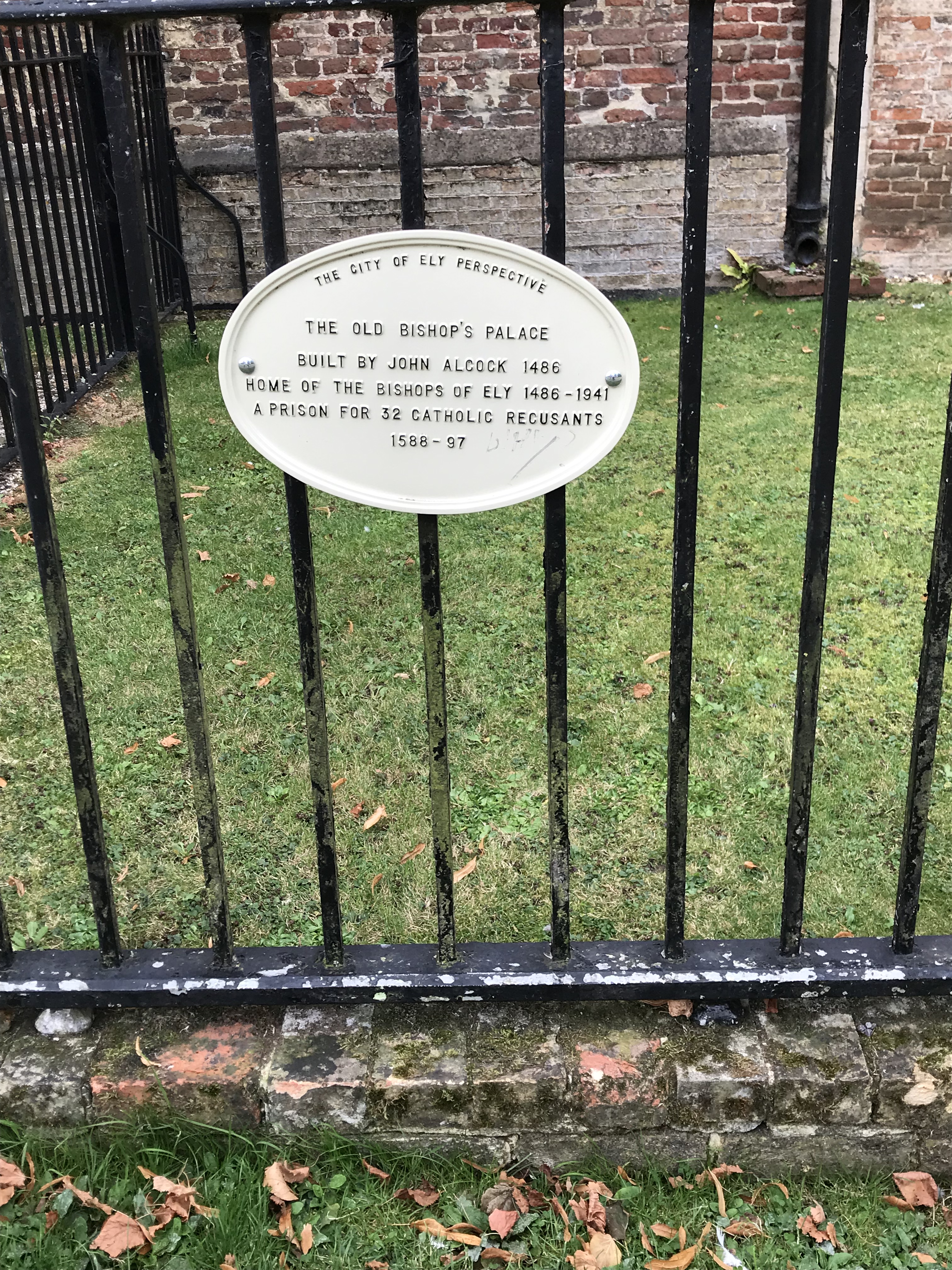
The Old Bishops Palace, now King’s Ely 6th Form Centre, was once part of a much larger building. It has been used as a prison for Catholics by Elizabeth 1 and a Red Cross Hospital in 1940. (A History of the Bishop’s Palace at Ely : Prelates and Prisoners by Francis Young).
Billet Glenn, was the last surviving soldier of the 1848/49 Punjab Campaign. He moved to Ely as a master at Needham’s School. By 1883 he was teaching part time at Mr Trigg’s Commercial Academy in Fore Hill, Ely and was still teaching there in 1914/15. When he died in 1917 he was given a funeral with full military honours, a three volley gun salute and the playing of the Last Post.
Back on the trail and through Palace Green, along the Gallery and under Ely Porta, round to the rear of the Cathedral and out onto Fore Hill, going down this time. We had a pit stop at The Royal Standard http://www.theroyalstandardely.com/ for a drink and then back towards the river for lunch at Peacocks Tearooms. http://www.peacockstearoom.co.uk/
This was yummy – and it’s not hard to see why. I chose Butternut, Stilton and Red Onion Marmalade Quiche, Tracy had Carrot and Ginger Soup, priced at £11.75 and £6.75 respectively. The tearoom has an atmosphere of a quintessentially English tearoom. It’s cosy, welcoming and puts a smile on your face. While waiting for your meal you see things, you have not ordered arrive at neighbouring tables, and wish you had!
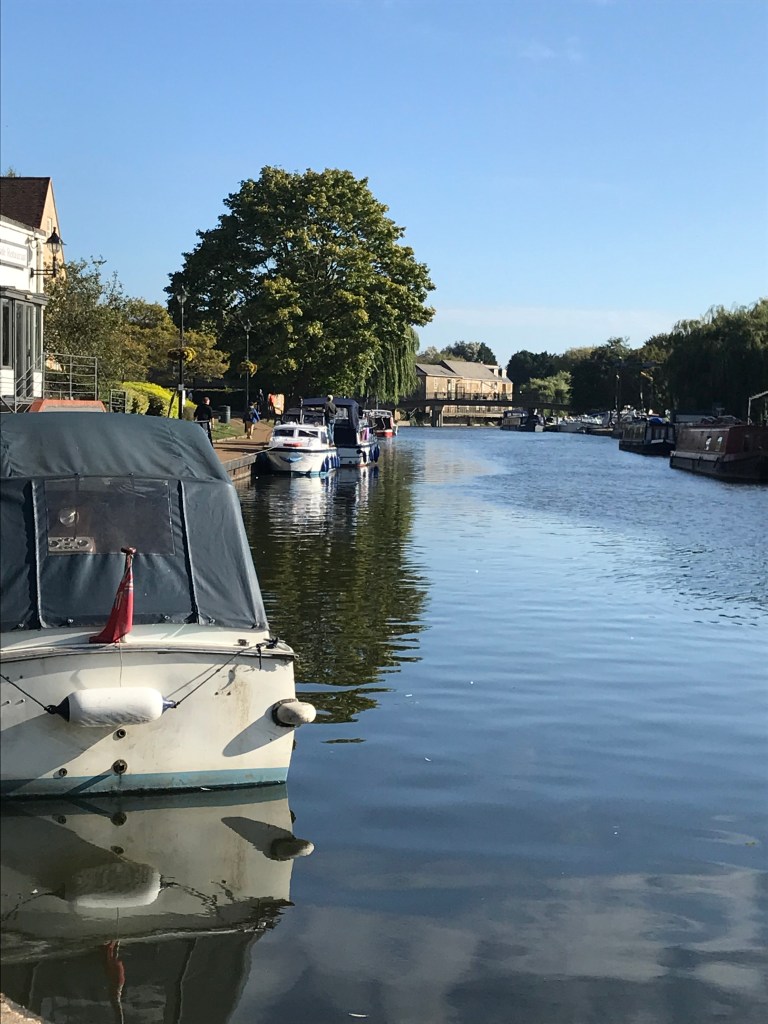
Time for home and we take another stroll along the river back towards the station and catch the train home. Ely is a city you have to remind yourself, yet it has the feel of a small country town, friendly and welcoming. A hard trick to pull off, yet Ely manages to do so.
 Travels on a Senior Railcard